Understanding the Different Sorts Of Motor Bike Components for every single Biking Journey
Comprehending the various elements of motorbikes is essential for any type of cyclist. Each part plays a considerable duty in enhancing performance, safety, and overall riding experience. From the engine's power distribution to the importance of brakes and tires, every aspect issues. Cyclists who understand these ins and outs can make far better choices for their distinct requirements. As they discover the various facets, they may find shocks that might change their cycling journeys.
The Engine: The Heart of Your Motorcycle
The engine acts as the heart of any motorbike, powering its efficiency and identifying its capacities. Numerous sorts of engines exist, each customized to specific riding choices and designs. One of the most usual arrangements consist of single-cylinder, parallel-twin, V-twin, and inline-four engines. Single-cylinder engines are light-weight and excellent for novices, using simpleness and simplicity of upkeep - Bike Parts Wellington. In comparison, parallel-twin engines provide a well balanced mix of power and performance, making them ideal for city travelling. V-twin engines are understood for their robust torque, favored by cruiser enthusiasts for a comfy adventure. Inline-four engines, often discovered in sportbikes, provide high RPMs and outstanding rate, satisfying those seeking thrilling efficiency. Each engine kind contributes distinct features to a motorcycle, influencing factors such as velocity, fuel efficiency, and total riding experience. Recognizing these variations is important for riders to pick a motorcycle that lines up with their riding preferences and objectives
The Transmission: Powering Your Experience
Efficient power distribution in a motorcycle counts greatly on the transmission system, which connects the engine's result to the wheels. This system is important for transforming the engine's rotational pressure into functional power that pushes the bike forward. Normally, motorcycle transmissions can be either hands-on or automatic, each offering distinct advantages.Manual transmissions permit motorcyclists to have complete control over equipment selection, enhancing efficiency throughout numerous riding conditions. Alternatively, transmissions give simplicity of usage, making them suitable for novices or metropolitan riding environments.The transmission includes gears, clutches, and shafts, all functioning together to promote smooth shifts and suitable power transfer. The ideal transmission can significantly influence a bike's velocity, full throttle, and total riding experience. Comprehending the details of the transmission system is essential for any motorcycle fanatic, as it plays a pivotal function in attaining the wanted performance and managing when driving.

The Suspension System: Making Certain a Smooth Journey
The shock absorber is an important component of a motorbike, playing a crucial function in giving a comfortable experience. Understanding the numerous kinds of suspension systems and their appropriate arrangement is crucial for peak performance. Furthermore, normal upkeep can substantially enhance the durability and efficiency of this vital system.
Sorts Of Suspension Systems
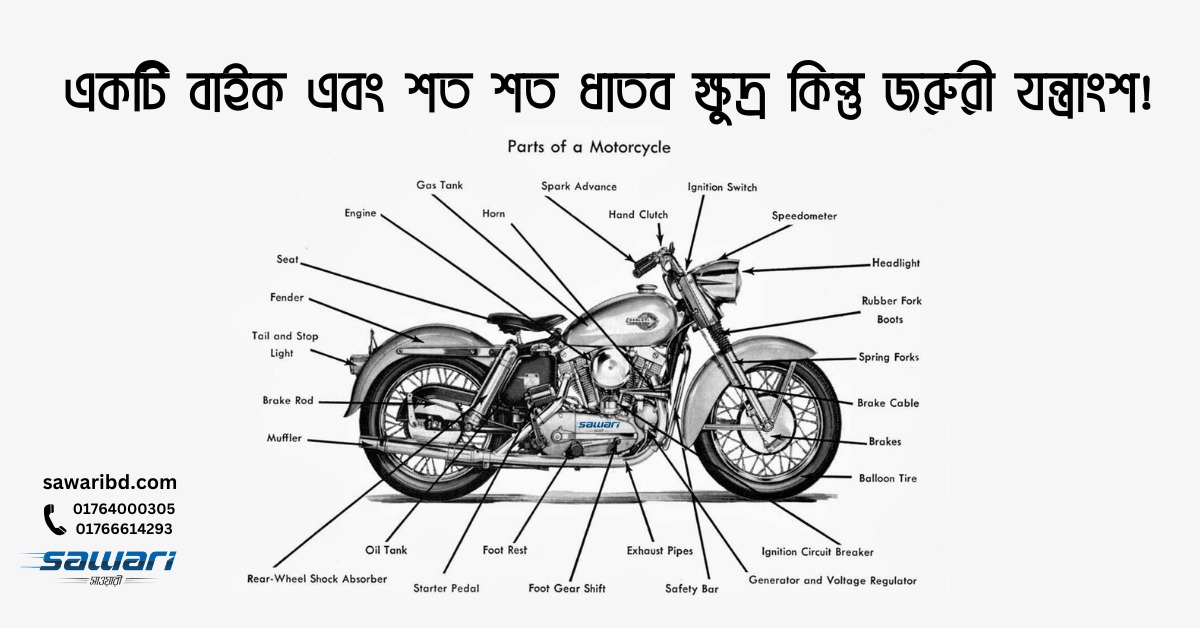
Suspension systems play a vital duty in motorcycles, influencing both ride quality and handling. There are mainly 2 kinds of shock absorber: conventional telescopic forks and progressed dual-sport or multi-link systems. Telescopic forks, generally located on many motorcycles, include a simple design that offers efficient moistening and security. In comparison, dual-sport or multi-link systems use improved handling and versatility by utilizing several pivot factors, enabling the suspension to react more dynamically to varying terrains. Additionally, some motorbikes use rear monoshock systems, which combine the rear suspension into a solitary shock absorber, boosting weight circulation and adventure convenience. Each kind of shock absorber has its special benefits, satisfying different riding styles and choices, eventually adding to the general performance of the motorbike.
Importance of Appropriate Setup
While numerous riders may ignore the ins and outs of suspension configuration, accomplishing the ideal equilibrium and modification is vital for enhancing performance and convenience. A well-tuned suspension system enhances handling and security, enabling motorcyclists to navigate numerous terrains with confidence. Correct configuration guarantees that the bike can soak up shocks properly, lowering tiredness throughout lengthy trips. In addition, it plays a crucial role in keeping tire call with the roadway, improving traction and control. Elements such as biker weight, riding style, and the type of surface influence the necessary modifications. By prioritizing the suspension arrangement, bikers can experience a smoother trip, ultimately boosting their biking adventures. Spending time in this aspect is basic for both safety and satisfaction when driving.
Upkeep Tips for Long Life
Routine upkeep of the suspension system is essential for maximizing its life expectancy and guaranteeing peak efficiency. To achieve this, riders must routinely examine parts for wear and tear. Inspecting the fork seals for leakages and ensuring appropriate oil levels is important. In addition, keeping the appropriate atmospheric pressure in the shock absorbers aids in achieving optimal damping. Cleansing the suspension parts regularly eliminates dust and particles that can cause damage in time. Bikers need to pay interest to any unusual noises or modifications in handling, as these may show underlying concerns. When needed, it is recommended to speak with the maker's guidelines for particular upkeep timetables and to look for specialist assistance. Proper treatment adds substantially to a smooth and delightful riding experience.
The Brakes: Safety And Security First
Brakes are an important component of any type of motorbike, as they directly affect the motorcyclist's security and control. They come in numerous kinds, including disc brakes and drum brakes, each offering a substantial function in stopping the bike successfully. Disc brakes, generally found in modern-day motorcycles, provide exceptional stopping power and heat dissipation, making them optimal for high-performance riding. In contrast, drum brakes are often seen in older go to my blog models and provide ample stopping force for day-to-day use.Regular maintenance of the stopping system is vital for guaranteeing peak efficiency. This includes examining brake liquid levels, checking pads for wear, and guaranteeing blades are without damage. Motorcyclists ought to additionally recognize the indicators of brake failure, such as squealing sounds or decreased stopping power, which suggest the need for prompt attention. Focusing on brake maintenance improves not just the bike's performance however also the motorcyclist's overall security when traveling.
The Tires: Hold and Efficiency
Tires are the important call point in between a motorbike and the road, noticeably impacting grasp and total efficiency. The type of tire picked can significantly affect handling, security, and traction during numerous riding problems. Sport tires, for circumstances, are crafted for maximum grip on asphalt, supplying boosted cornering capabilities at high speeds. Alternatively, off-road tires include deeper treads developed to browse harsh surfaces, ensuring traction on loose surfaces like dirt or gravel.Tire stress additionally plays a necessary role in performance; appropriately pumped up tires improve stability and minimize wear, while under-inflated tires can result in bad handling and raised gas consumption. Oem Parts New Zealand. In addition, the tire's rubber substance influences resilience and grip levels. Bikers need to very carefully pick the ideal tire kind based upon their liked riding design and ecological conditions to enhance performance and safety. Ultimately, investing in quality tires is critical for ensuring a enjoyable and secure cycling experience
The Framework: Structure and Stability
The structure of a motorcycle functions as its backbone, providing necessary framework and stability. Various products utilized in frame construction considerably influence the bike's handling attributes and general performance. In addition, motorcyclists have various modification alternatives available, enabling customized arrangements that deal with personal choices and riding styles.
Structure Materials Summary
While choosing the right structure product is essential for a motorbike's performance, it additionally significantly influences its structural stability and total security. The most common products made use of in bike frameworks consist of carbon, light weight aluminum, and steel fiber. Steel is known for its durability and toughness, making it a preferred selection for larger bikes. Aluminum is lighter and immune to corrosion, thereby enhancing the motorbike's dexterity and performance. Carbon fiber, though a lot more expensive, uses a phenomenal strength-to-weight ratio, attracting high-performance fanatics. Each material has one-of-a-kind buildings that influence longevity, toughness, and weight. Eventually, the choice of framework material plays an essential role in figuring out the motorcycle's capabilities and the motorcyclist's experience on numerous surfaces.
Influence on Handling
Enhancing dealing with in a bike greatly counts on the frame's structure and stability. The structure functions as the core component that influences exactly how the bike responds to cyclist input. A well-designed framework improves catching ability, security at broadband, and general maneuverability. Stiffer structures supply far better comments, allowing the biker to feel the road and make exact changes, while more adaptable structures can take in bumps, enhancing comfort on harsh surface. Products see page such as steel, carbon, and light weight aluminum fiber each add in a different way to the framework's weight and toughness, influencing managing dynamics. Basically, the structure's geometry and building directly affect the motorcycle's equilibrium, steering action, and the biker's self-confidence, making it a crucial aspect for any kind of biking journey.
Customization Options Available
Modification options for motorbike structures permit motorcyclists to customize their equipments to particular handling choices and riding designs. Bikers usually choose products such as aluminum, carbon, or steel fiber, each offering distinct advantages in weight, toughness, and flexibility. Customizing the structure geometry-- such as altering the wheelbase, rake, or path-- influences dealing with qualities, impacting security and ability to move. In addition, adjustable swingarms and suspension setups can improve performance for different surface. Aesthetic options, consisting of color, custom, and finish designs, permit personal expression while preserving the framework's stability. Eventually, these personalization choices equip motorcyclists to produce a bike that not just satisfies their efficiency needs yet likewise reflects their specific identity on the road.
The Electrical System: Powering Your Accessories
A well-functioning electrical system is important for improving the performance and flexibility of motorbikes. This system encompasses the battery, wiring, and different elements that offer power to optional and important accessories. The battery works as the heart, providing energy not just for beginning my company the engine however likewise for operating lights, indicators, and digital displays.Wiring plays a crucial duty in making certain that electrical energy streams efficiently, attaching the battery to different parts. Additionally, contemporary motorcycles might feature innovative accessories such as GPS, warmed holds, and stereo, all of which need a trusted electrical system to operate effectively.Regular maintenance, consisting of inspecting connections and making sure battery wellness, is necessary for preventing electric failures. Fanatics often customize their electrical systems to suit extra functions, highlighting the significance of a durable electric facilities for any type of cycling adventure.
Often Asked Inquiries
What Equipment Are Essential for Fundamental Motorbike Maintenance?
Crucial tools for fundamental motorcycle upkeep include a set of wrenches, screwdrivers, pliers, a tire stress scale, and an oil filter wrench. These devices allow motorcyclists to perform minor repair work and regular checks properly.
How Usually Should I Replace My Motorbike Components?
The regularity of motorcycle component replacement varies by type and usage. Normally, parts like tires and brake pads require annual checks, while others, such as chains and filters, might last numerous thousand miles prior to requiring substitute.
What Are the Signs of Worn-Out Motorcycle Components?
Signs of damaged bike components include unusual sounds, lowered efficiency, liquid leaks, too much vibration, and visible wear or damage. Oem Parts New Zealand. Normal inspection and upkeep are vital to guarantee safety and perfect functionality of the motorcycle
Can I Customize My Motorbike Components for Better Efficiency?
Modification of motorcycle components can enhance performance considerably. Fanatics often update elements like exhaust systems, suspension, and brakes to achieve far better handling, rate, and general riding experience, tailoring their bikes to personal preferences and riding designs.
Where Can I Discover High Quality Aftermarket Motorbike Components?
Quality aftermarket motorbike components can be discovered at specialized sellers, online marketplaces, and manufacturer internet sites. Lovers frequently recommend examining evaluations and scores to ensure integrity and performance before purchasing. Normally, motorbike transmissions can be either automatic or hand-operated, each offering distinct advantages.Manual transmissions permit motorcyclists to have total control over gear option, improving efficiency during numerous riding conditions. Understanding the different types of suspension systems and their appropriate configuration is essential for peak efficiency. Tires are the vital contact factor in between a motorbike and the roadway, noticeably influencing grip and general performance. Motorcyclists must meticulously choose the appropriate tire type based on their favored riding style and environmental problems to maximize performance and security. A well-functioning electrical system is important for enhancing the performance and flexibility of motorcycles.